
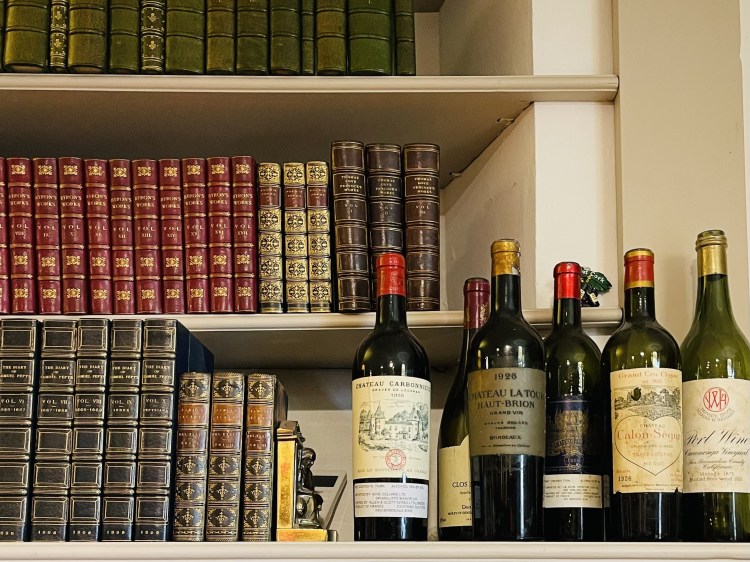
When I was taking French in middle school, I briefly considered switching to Spanish.
I asked my French teacher, who was multilingual, what she thought I should do. She responded that I should continue taking French, because if I decided to learn another Latin language like Spanish, it would be easier.
“French is harder in the beginning, but once you learn the structures, other languages will come much faster to you. It’s much harder to start with Spanish or Italian, then try to learn French after.”
I would say the same is true when it comes to learning about French wines.
If you learn the basics of French wines, it’s easier to learn about other countries and their respective appellations since most are based on the French systems—grape varieties, wine varietals, wine classification structures, etc.
There are 12 main wine-making regions in France—the most commonly known regions are Bordeaux, Burgundy (Bourgogne), Champagne, Provence, the Loire Valley (Val de Loire), and the Rhône Valley (Côtes du Rhône). Although Languedoc-Roussillon is the largest exporter of French wine, it does not have the same well-marketed, established identity as its sisters.
The other regions—Beaujolais, Southwestern France (Sud-Ouest), Alsace, Jura-Savoie, and Corsica (Corse)—are not as well-known among the general public, but each one has its own special set of characteristics that are highly sought after by French wine lovers.
While each wine region has nuances within its respective geographical locations and classifications, here are key highlights of the 12 French wine regions:
Note: I’m including some very general tasting notes and food pairings for each wine region, but honestly, it doesn’t do the specific bottle of wine that you’re tasting any real justice. There are so many variables when it comes to coordinating food and wine pairings—I would highly recommend consulting your local wine shop, reputable wine publications, or a sommelier if you’re at a restaurant. At the end of the day, the only way you learn is by tasting, which involves some trial and error.
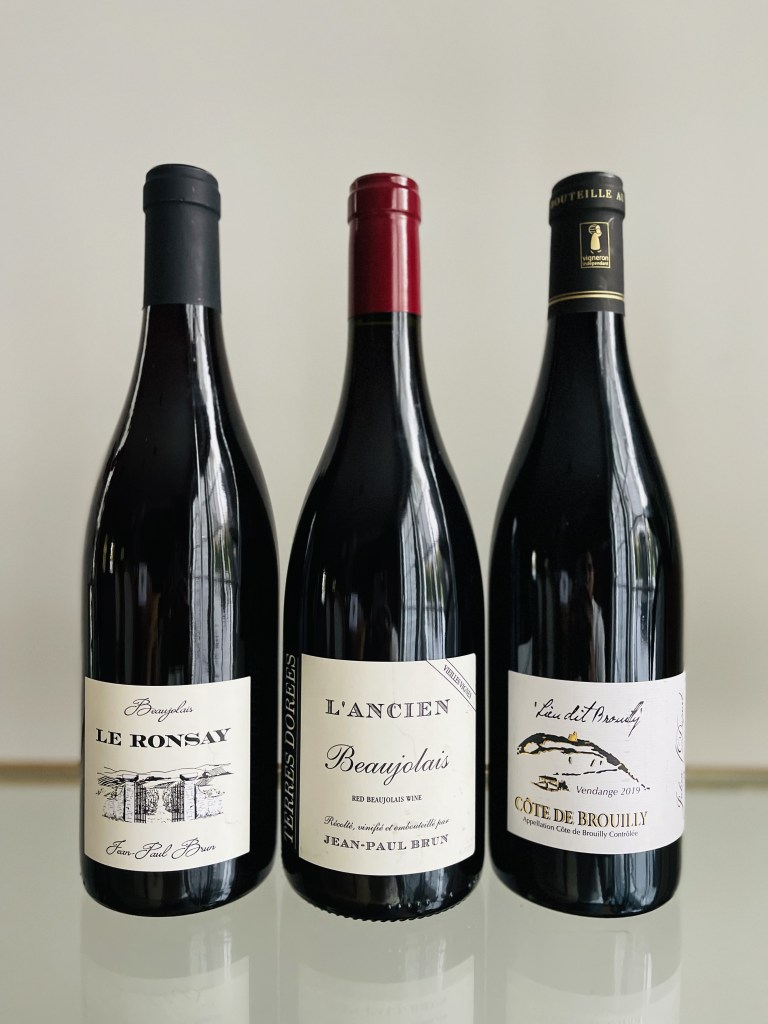
Beaujolais
- Known For: Light-bodied red wines
- Primary Grape Variety: Gamay (red wine)
- General Tasting/Food Pairing Notes: Most Beaujolais wines are perfect for Thanksgiving because they are flavorful yet light
- Wine Classification System:
- Cru Beaujolais
- Beaujolais Villages AOC
- Beaujolais AOC
- Total Number of Appellations: 12
- Fun Fact: Beaujolais Nouveau only ferments for a few weeks and cannot be sold until the third Thursday of November; its reputation and quality have evolved from a gimmick to a cultural tradition
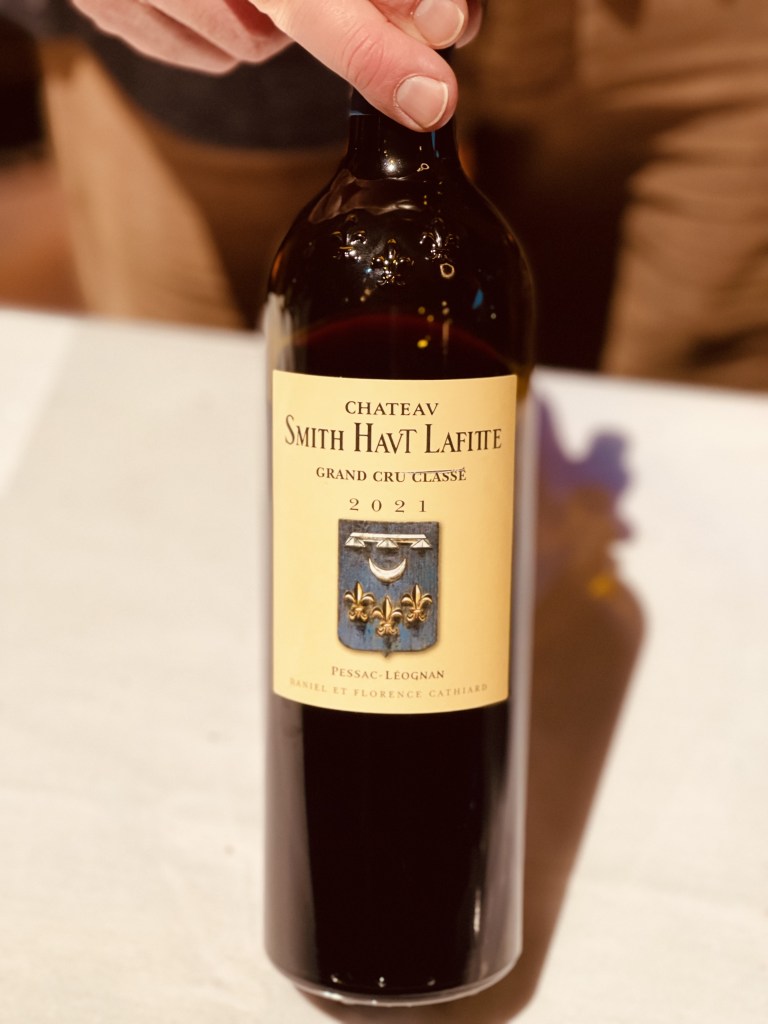
Bordeaux
- Known For: Medium to full-bodied red wines and medium-bodied white wines
- Primary Grape Varieties:
- Cabernet Sauvignon, Merlot, Cabernet Franc, Petit Verdot, and Malbec for red wines
- Sémillon, Sauvignon Blanc, and Muscadelle for white wines
- General Tasting/Food Pairing Notes:
- For reds, it’s highly dependent based on the varietal, but safe to say that most Bordeaux red wines will go well with roasted red meats
- Bordeaux white wines have a nice mineral quality to them, so they pair well with seafood (I love Graves Blanc)
- Wine Classification System: 5 different groups with their own respective tiers—
- The Grand Cru classification from 1855
- Crus Classés of Graves
- Saint-Émilion
- The Crus Bourgeois du Médoc
- Crus Artisans
- Total Number of Appellations: 57
- Main Sub-Regions: Bordeaux is predominantly split between the Left Bank (Médoc, Pauillac, Margaux, Graves) and the Right Bank (Saint-Émilion, Pomerol) between the Garonne and Dordogne rivers
- Fun Fact: The epicenter for many grapevines grown all over the world, including Spain, Italy, the United States, Chile, and Australia, after the phylloxera outbreak in the mid-19th century
Burgundy (Bourgogne)
- Known For: Light to medium-bodied red wines and light to medium-bodied white wines
- Primary Grape Varieties:
- Pinot Noir (red wines)
- Chardonnay (white wines)
- Wine Classification System:
- Grand Cru
- Premier Cru
- Village
- Regional
- Main Sub-Regions:
- Chablis, Grand Auxerrois, and Châtillonnais
- Côte de Nuits and Hautes Côtes de Nuits
- Côte de Beaune and Hautes Côtes de Beaune
- Côte Chalonnaise and Côtes du Couchois
- Mâconnais
- Total Number of Appellations: 84
- General Tasting/Food Pairing Notes:
- Burgundy red wines are great with roasted chicken, a lean cut of steak (bavette, flat-iron), or slow-cooked meat dishes like bœuf bourguignon
- Burgundy white wines pair well with seafood and any dishes featuring butter sauces and/or baked bread crumbs (ex: homemade baked macaroni and cheese)
- In addition to the wine classification system, the vineyard’s location in Burgundy plays an equally important role. While each wine region has its own set of standards, Burgundy’s specifications regarding “Climats” and “lieux-dits” reflect the depth of history and savoir-faire of each vineyard and AOC—it can be argued that most wines from Burgundy are well-regarded
- Fun Fact: In March 2026, a 1945 Domaine de la Romanée-Conti Grand Cru sold for $812,500 at auction, a record-breaker for Burgundy wines
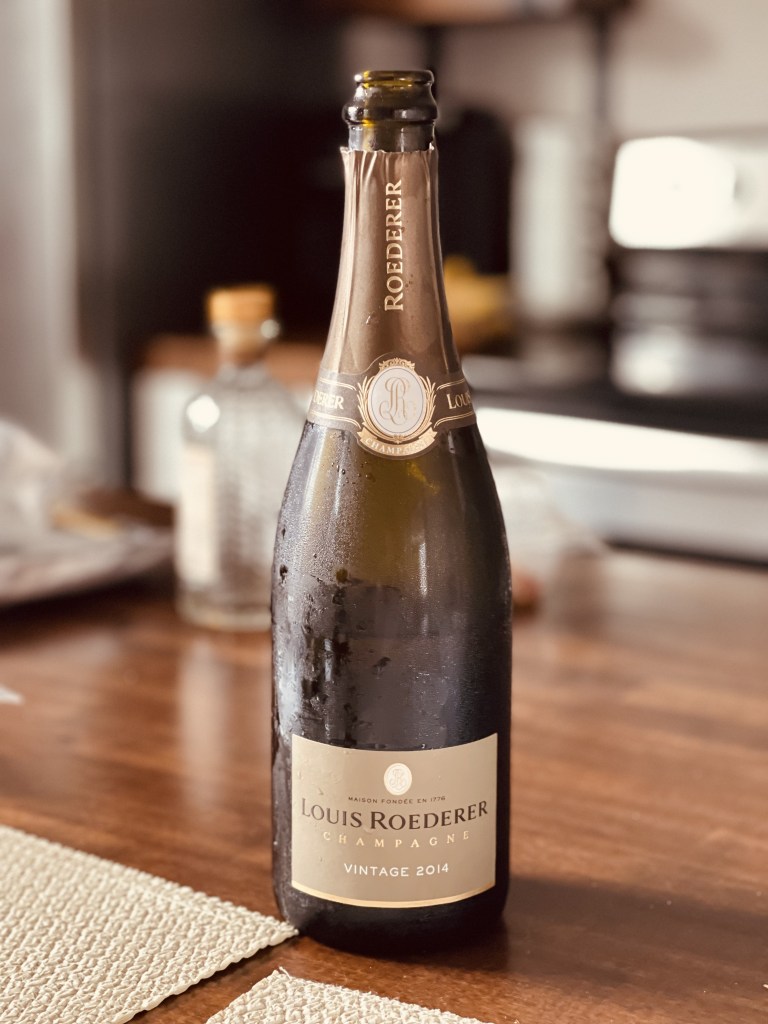
Champagne
- Known For: Sparkling white wines
- Primary Grape Varieties: Chardonnay, Pinot Noir, and Pinot Meunier
- Wine Classification System: organized by style, sweetness level, and non-vintage or vintage—all of these classifications are determined by the production process
- Main Sub-Regions:
- Montagne de Reims
- Marne Valley (Vallée de la Marne)
- Côte des Blancs
- Côte des Bars
- Total Number of Appellations: 319
- General Tasting/Food Pairing Notes: While typically reserved for celebrations, champagne is versatile for everyday foods, like cheese during apéro, French fries, or even fried chicken like at Coqodaq, a restaurant New York City that serves fried chicken and boasts the largest champagne list in the United States
- Insider Tip: Well-known champagne houses include Dom Pérignon, Möet-Hennessey, Ruinart, and Billecart-Salmon; however, there are grower champagne houses that produce incredible bottles without the name-brand price tag
Corsica (Corse)
- Known For: light to medium-bodied rosé wines, light to medium-bodied rosé wines red wines, and light to medium-bodied white wines
- Primary Grape Varieties:
- Nielluccio (Sangiovese) and Sciaccarellu for red wines
- Vermentinu (Malvoisie) for white wines
- Wine Classification System:
- Cru du Corse
- Villages
- Vins de Corse
- Main Sub-Regions:
- Coteaux du Cap Corse
- Calvi
- Sartène
- Porto-Vecchio
- Figari
- Total Number of Appellations: 9
- The island’s climate lends itself to producing mineral-driven white wines for shellfish and seafood
- Fun Fact: Slightly over 100 miles south of Nice, France, Corsica sits north of Sardinia, Italy, and is actually closer to Italy’s mainland
Jura-Savoie
- Known For: light and medium-bodied red wines and light to medium-bodied white wines
- Primary Grape Varieties (Jura):
- Poulsard and Trousseau for red wines
- Savagnin for white wines
- Main Sub-Regions (Jura):
- l’Étoile
- Côtes du Jura
- Arbois
- Château-Chalon
- Primary Grape Varieties (Savoie)
- Mondeuse and Persan for red wines
- Jacquère, Altesse, Roussanne, Chasselas, and Gringet for white wines
- Main Sub-Regions (Savoie):
- Vin de Savoie
- Roussette de Savoie
- Seyssel
- Total Number of Appellations: 7 (Jura); 3 (Savoie)
- The alpine wine regions, which neighbor Switzerland and northern Italy, produce incredible wines for rich winter dishes like raclette
- Fun Fact: Jura is the smallest wine region in France and is best known for its Vin Jaune
Languedoc-Roussillon
- Known For: Light-bodied red wines, light-bodied white wines, and sparkling wines
- Primary Grape Varieties (Languedoc):
- Grenache, Syrah, Carignan, Mourvèdre, and Cinsault for red wines
- Chardonnay, Sauvignon, Viognier, Muscats à Petits Grains, Piquepoul, Rolle (Vermentino), and Roussanne for white wines
- Wine Classification System (Languedoc and Roussillon):
- Villages
- AOC
- IGP
- Primary Grape Varieties (Roussillon):
- Grenache, Syrah, Mourvèdre, Carignan, and Cinsault for red wines
- Grenache Gris and Grenache Blanc for white wines
- Total Number of Appellations: 23 (Languedoc); 14 (Roussillon)
- The most productive French wine region has started to produce more fine wines instead of only mass-produced, everyday wines for international export
- The Mediterranean Sea influences the soil in the Languedoc-Roussillon wine region with its coastal climate and terrain
- Fun Fact: While most people are familiar with rosés from Provence, there are also many popular rosés produced in the Languedoc-Roussillon wine region, such as Côte des Roses and Gris Blanc by Gérard Bertrand
The Loire Valley (Val de Loire)
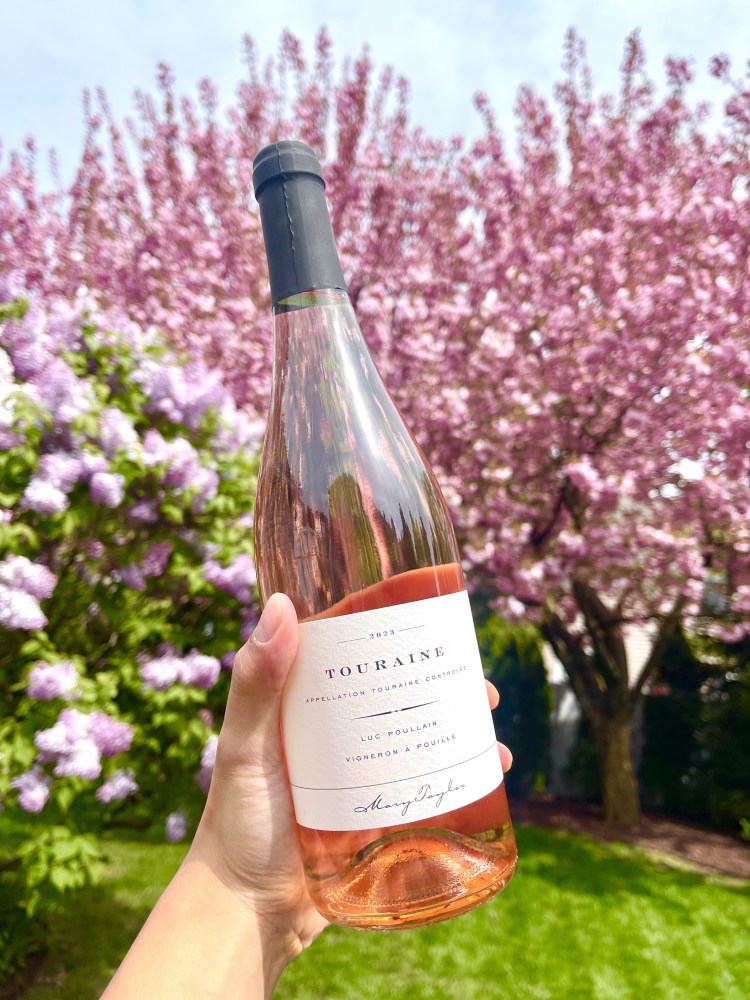
- Known For: Light and medium-bodied red wines, light to medium-bodied white wines, and light to medium-bodied rosé wines
- Primary Grape Varieties:
- Cabernet Franc, Gamay, Grolleau, and Pineau d’Aunis for red wines
- Chenin Blanc, Sauvignon Blanc, and Melon de Bourgogne for white wines
- Wine Classification System:
- IGP
- Main Sub-Regions:
- Nantes
- Touraine
- Anjou-Saumur
- Haut Poitou
- Val de Loire
- Total Number of Appellations: 45
- Sancerre is the Loire Valley’s front-runner appellation on the international stage, but there are other incredible appellations to explore, such as Menetou-Salon, Pouilly-Fumé, Reuilly, Quincy, Cheverny, Anjou, Chinon, and Muscadet
- Fun Fact: The Loire Valley is the longest wine route in France
Provence
- Known For: light-bodied rosé wines, white wines, and red wines
- Primary Grape Varieties:
- Grenache, Cinsault, Mourvèdre, Syrah, Tibouren, Carignan, Cabernet Sauvignon, for red wines
- Rolle (Vermentino), Ugni Blanc, Clairette, Sémillon, Grenache Blanc, Bourboulenc Blanc for white wines
- Main Sub-Regions:
- Côtes de Provence
- Côteaux d’Aix-en-Provence
- Côteaux Varois en Provence
- Total Number of Appellations: 3
- The home of rosé, Côtes de Provence has diverse appellations that showcase different profiles of rosé, like Bandol, which is characterized by having more baked spices, or Cassis, a tiny coastal appellation influenced by its limestone cliffs and the distinct Mediterranean breeze
- Fun Fact: Select rosés do have the potential to age for several years; Château Pibarnon or Domaine Tempier are great examples of winemakers who excel in this specialty
The Rhône Valley (Côtes du Rhône)
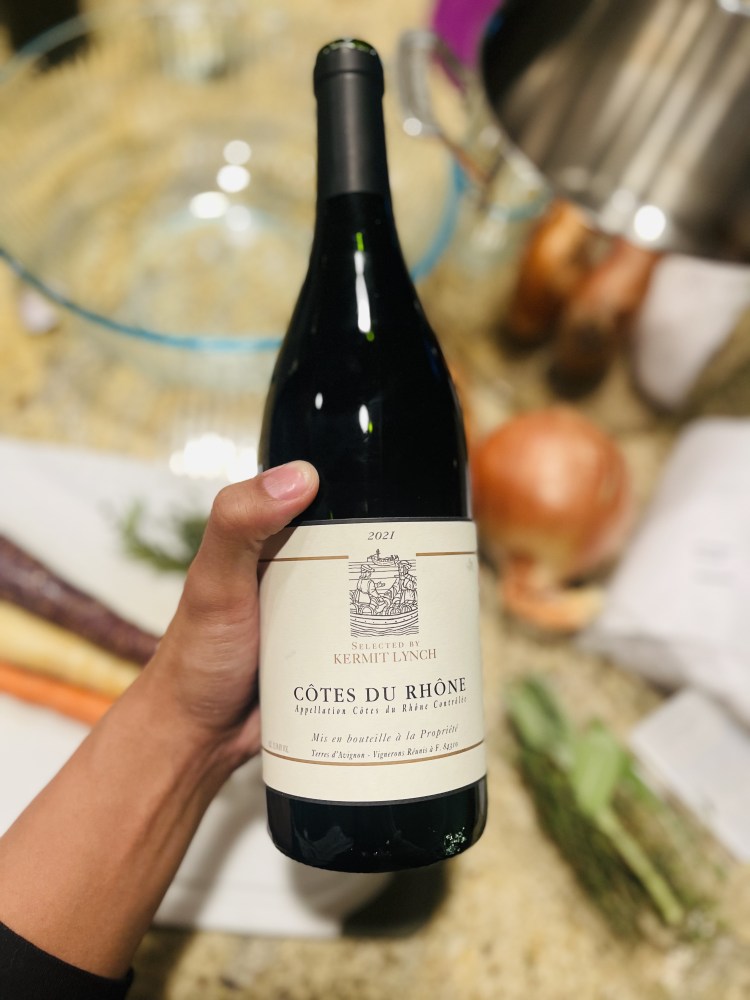
- Known For: medium to full-bodied red wines; medium-bodied rosés; and medium-bodied white wines
- Primary Grape Varieties:
- Grenache, Syrah, and Mourvèdre for red wine
- Carignan Blanc, Chardonnay, Grenache Blanc, Marsanne, Macabeu, Roussanne, and Ugni Blanc for white wine
- Wine Classification System:
- Côtes du Rhône Crus AOC
- Côtes du Rhône Villages
- Côtes du Rhône Village AOC
- Côtes du Rhône AOC
- Main Sub-Regions:
- The northern Rhône, where most plantings are on the hillsides along the Rhône River
- The southern Rhône, where the landscapes have more variation in elevation between hills and plains
- Total Number of Appellations: 32
- Although Côtes du Rhône is inland, the wine region is influenced by Le Mistral, “a strong, cold, north-to-northwesterly wind in Southern France” that blows through the Rhône Valley and into the Mediterranean Sea
- Fun Fact: Côtes du Rhône allows up to 21 different grape varieties to be used for blending
Southwestern France (Sud-Ouest)
- Known For: Medium to full-bodied red wines, light-bodied white wines, and light-bodied rosé wines
- Primary Grape Varieties:
- Côt (Malbec), Cabernet Sauvignon, Cabernet Franc, Fer Servadou, Merlot, and Tannat for red wines
- Arrufiac, Camaralet, Gros Manseng, Petit Manseng, Len de L’el, and Raffiat for white wines
- Main Sub-Regions:
- Bergerac et Dordogne
- Garonne et Tarn
- Lot
- Pyrénées
- Total Number of Appellations: 16 (AOC)/11 (IGP)
- The top-producing IGP in Sud-Ouest, Côte de Gascogne, exports 75% of its whites, reds, and rosés
- Insider Tip: The least explored French wine region; the Bergerac-Dordogne area of Sud-Ouest may offer affordable alternatives to Bordeaux
Additional Resources
In addition to reviewing each wine region’s official website, the links below are also helpful for learning more about wine:
101 Guides by Wine Folly
Wine Folly is an amazing resource that explains everything you need to know about wine with clear visuals and simple language:
Food Pairings by Wine Varietal by The International Wine & Food Society
A comprehensive list of suggested food pairings for popular Old World varietals
Distribution of the World’s Grapevine Varieties (International Organisation of Vine and Wine)
An academic perspective on how grape varieties have traveled across the world and how they are expressed in their respective countries through the wines

